
Services · Engineering
Turn the idea into a product people pay for.
Tenancy, billing and operator tools before the first charge. We run Ethos and Wellora Fit ourselves — that is the standard we build to.
- 125+
- Restaurants and cafés on Ethos
- 2014
- Centralised cloud reporting since
- 2013
- Ethos live since
Shared platform
Core services
AUTHDATAOPS
Workspace 01
North
18 seats72%
Workspace 02
Central
Growth planActive
Workspace 03
West
12 tasksOn track
In production
Work we can put a name to — or the method we will use until we can.
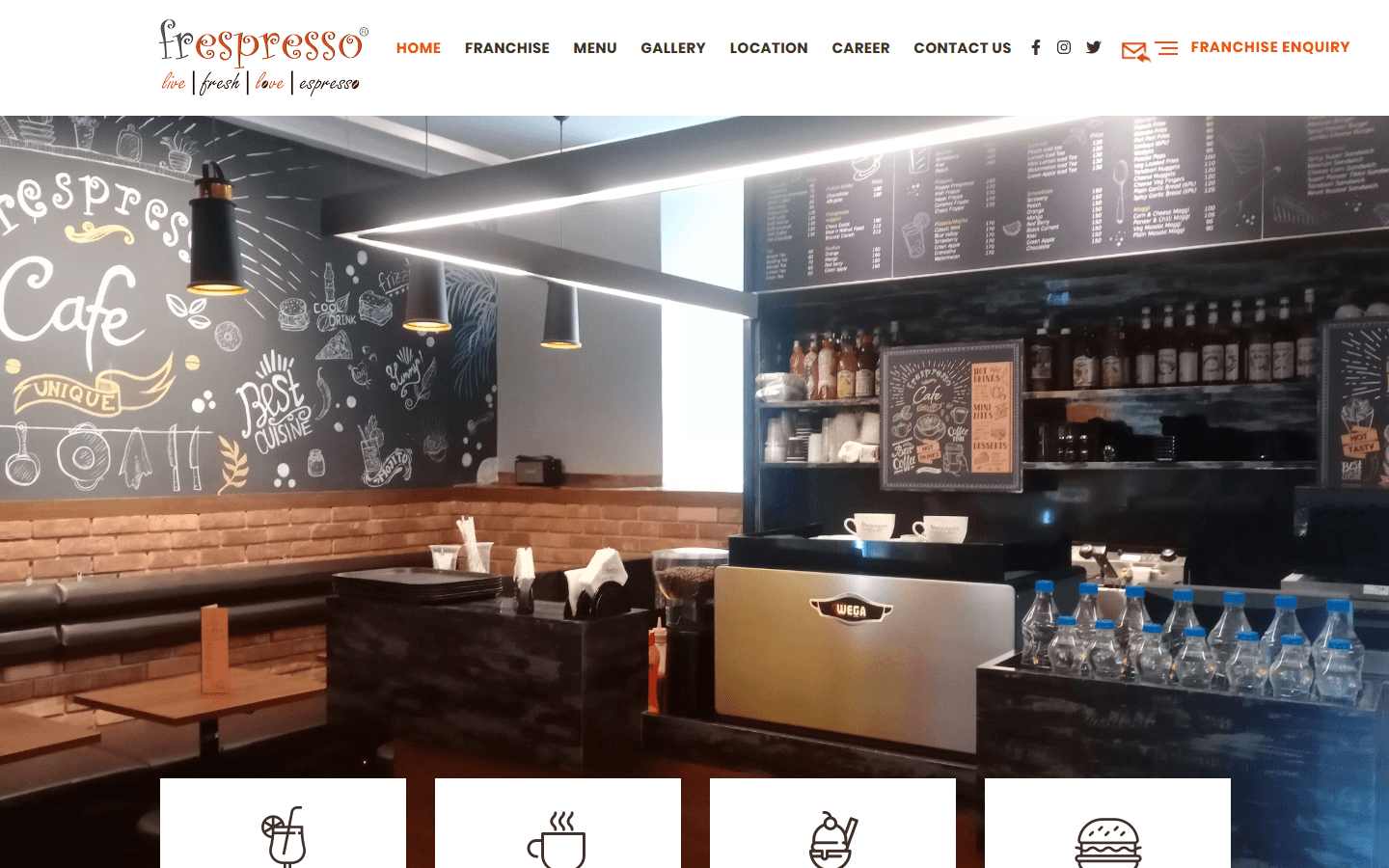
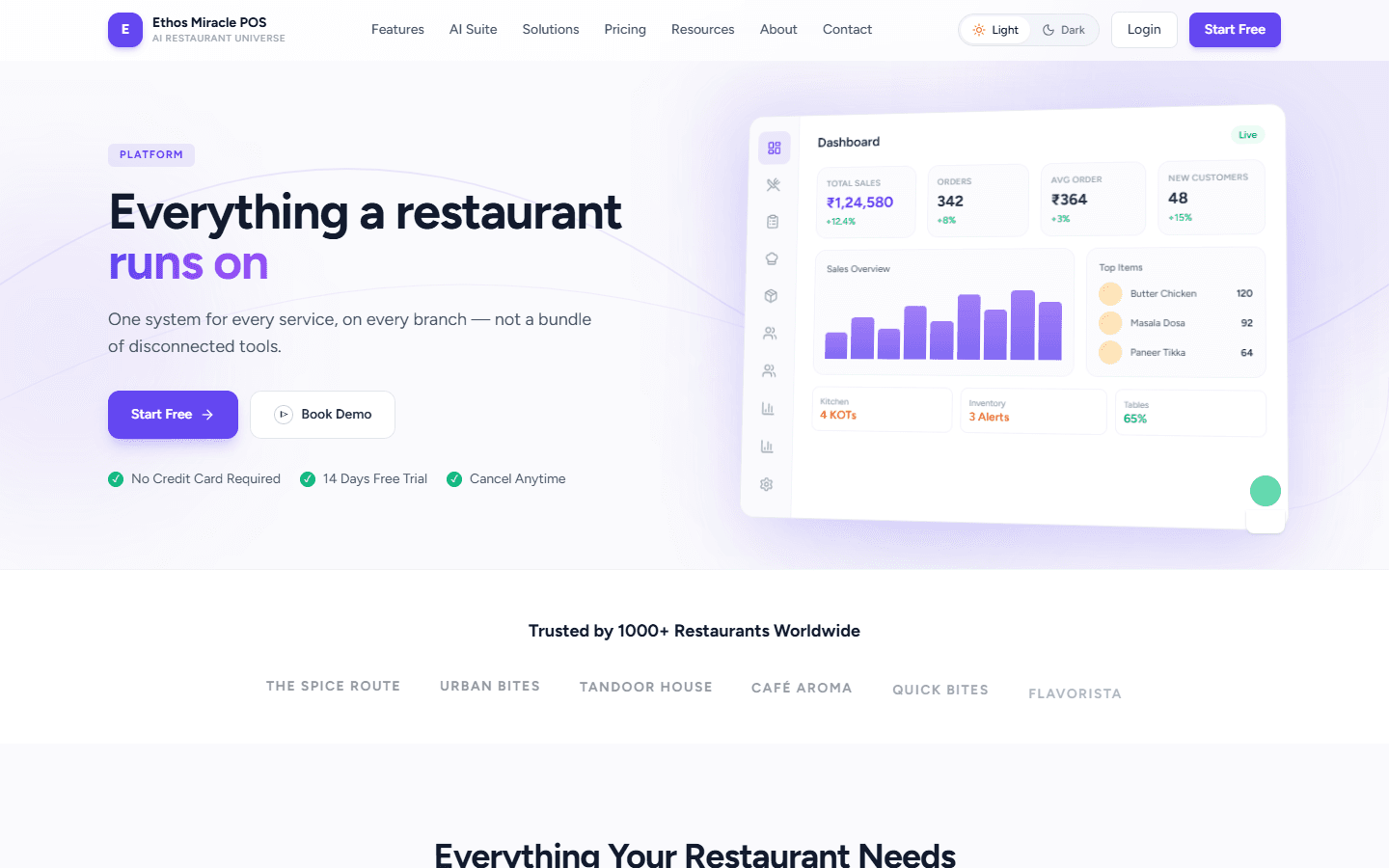
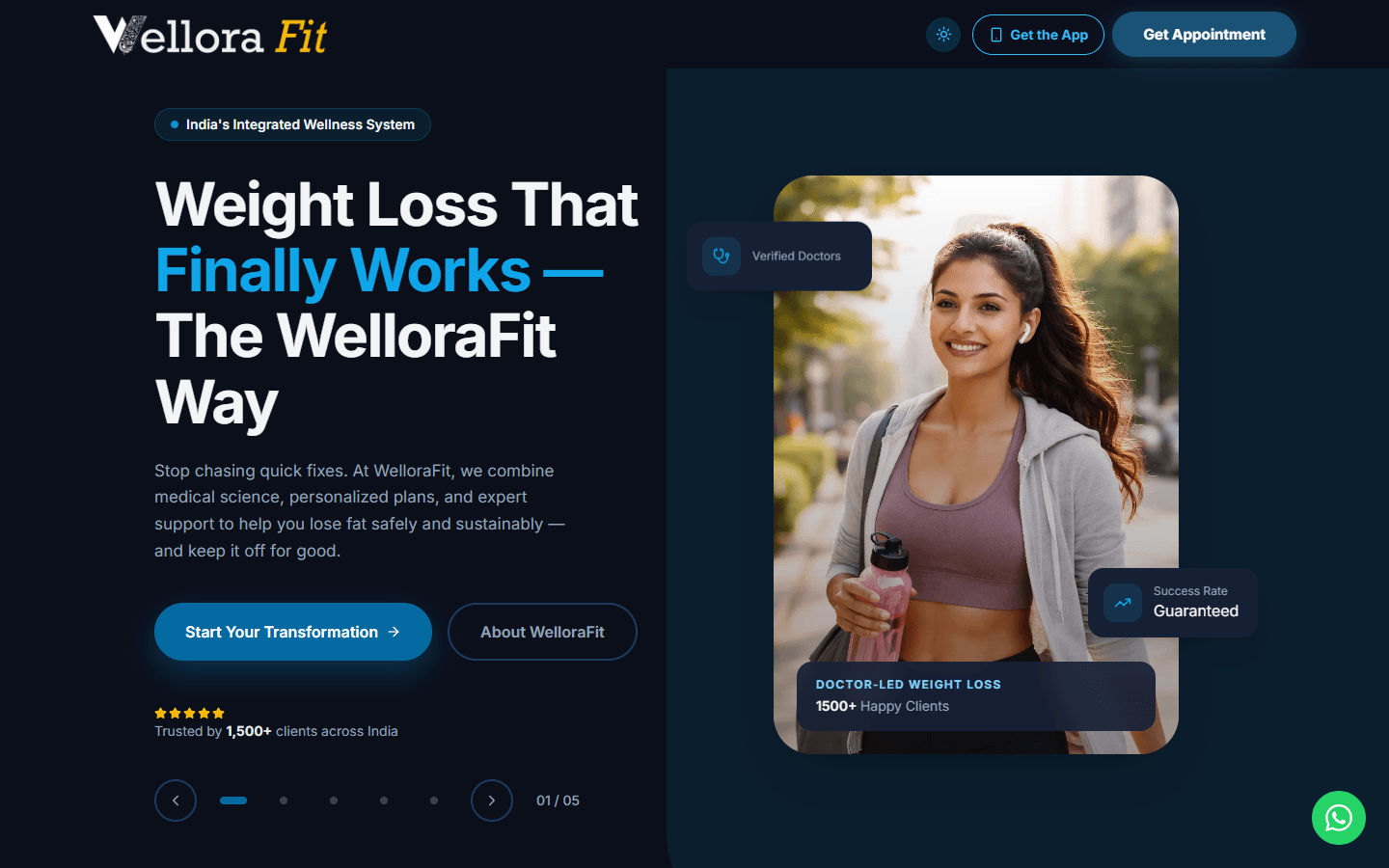
RestaurantFresspresso HospitalityFrom four outlets to 50+ cafés on one billing platform. ProductEthosBilling that never blinks. ProductWellora FitMembers, coaches and operators in one place.
What you can sell
What a sellable product needs
Tenancy, billing and operator tools before the first charge — the bar we hold for Ethos and Wellora Fit.
Plans that sell and switch off in software
Tiers, trials, invoices and usage limits inside the product, not in a side spreadsheet.
Three faces of the same product
Your operators, your customers’ managers and their end users — the way Wellora Fit separates those roles.
Onboarding without a developer pull
Self-serve where it fits, assisted where it does not, plus the reports each tenant needs on their own.
Roadmap from usage, not the wish list
Release one is scoped to what people will pay for. What follows is planned from how they actually use it.
Primary deliverable
Ships with the engagement
01 · Lead outcome
Many customers, one codebase
Tenant data kept apart — the pattern Ethos uses for 125+ restaurants and cafés from one cloud address.
- 01Plans that sell and switch off in software
- 02Three faces of the same product
- 03Onboarding without a developer pull
- 04Roadmap from usage, not the wish list
Before the first charge
A prototype is not a product
Customer two should not mean copying the whole stack by hand.
Talk about the productTenant
The demo works for one customer. Customer two means copying the whole stack and editing it by hand.
Billing
Plans, payments and cut-offs live in a spreadsheet. Nobody knows what to switch off when someone stops paying.
Ops
The builders had never run software for paying users. The first outage made that obvious.
How it ships
From payer to production
Who pays comes first. Then tenancy in the first table. Then two real tenants on staging.
stage/01
Who pays, for what
We settle payer, value and what one tenant must never see of another before any screen is drawn.
stage/02
Tenancy in the first table
The data model assumes many customers from day one. Retrofitting that later is the most expensive mistake in SaaS.
stage/03
Two or three real tenants
First release goes to a few real customers on staging with billing in test mode before anyone is charged.
stage/04
Operate, not hand over
Monitoring, backups, upgrades and the next features — how Ethos has been run since 2013 and Wellora Fit today.
Decide the shape
Questions from founders
Multi-tenant or not, takeovers, and what a first paying version usually takes.
Yes. Ethos has run since 2013 for 125+ restaurants and cafés. Wellora Fit is live at wellorafit.com for members, coaches and operators. Both are built and operated here.
If you sell the same product to many organisations, yes. Without it every customer becomes another copy to maintain. We design that out from the first table.
After a short code and hosting review we say what to keep. Most takeovers start by stabilising backups, then filling in tenancy or billing the first build skipped.
Often three to five months and low lakhs upward, because tenancy, billing and operator tools must exist before the first charge. Work is phased after paid discovery; code stays in your repository.
Continue to